# 06-21 RT RSSI correction and advertising intervals
Today I tested the influence of different BLE advertising intervals on the effectiveness of the RSSI correction algorithm. The absence of any tangible improvements introduced by the RT correction gateway made me think that I had too many measurements. The high packet transmission frequency compared to commercially available beacons used in various research papers made me think that I was monitoring small scale fluctuations (noise) in RSSI instead of broader trends across longer timeframes. Thus I replicated the settings of commercially available beacons (Estimote, Kontakt.io) and tested the effects of beacons that are optimized for battery life rather than resolution.
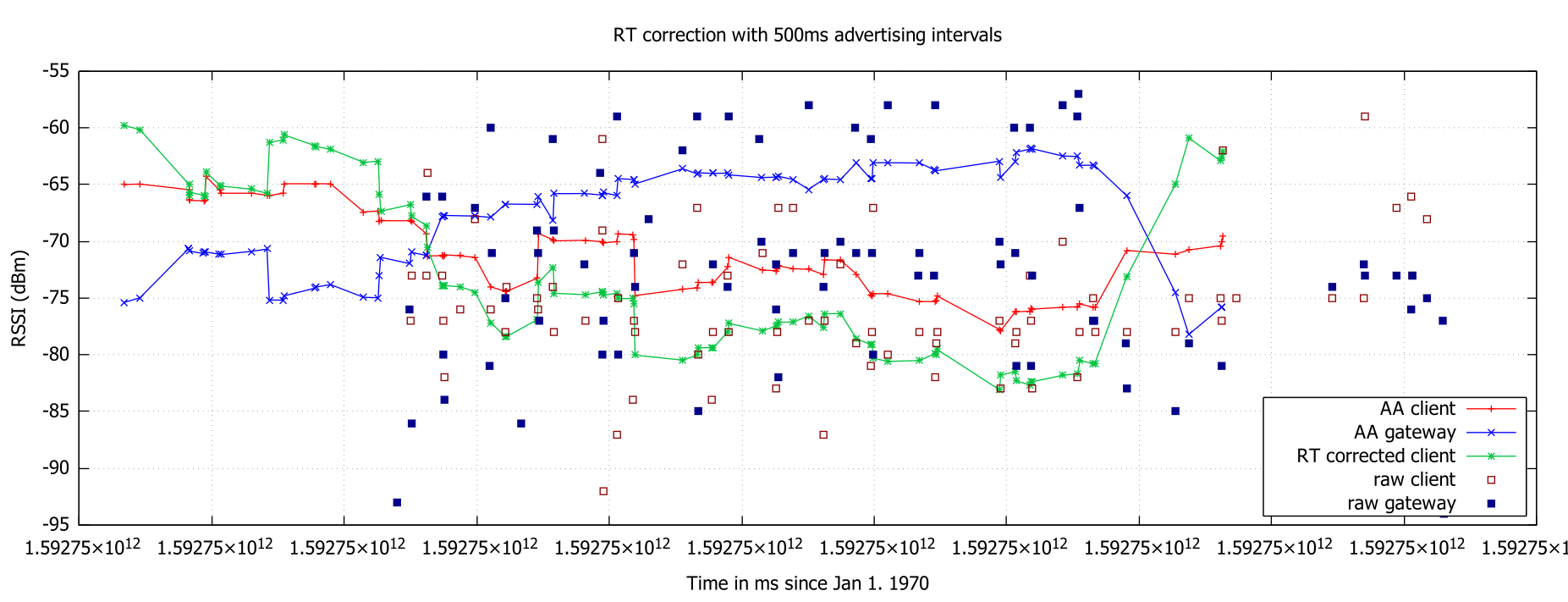
The larger advertising interval at 500ms as used in the research paper results in less advertising data being picked up. This results in fewer measurements and requires an artificial delay of 5 seconds to let 5 future measurements to arrive in the backend for averaging.
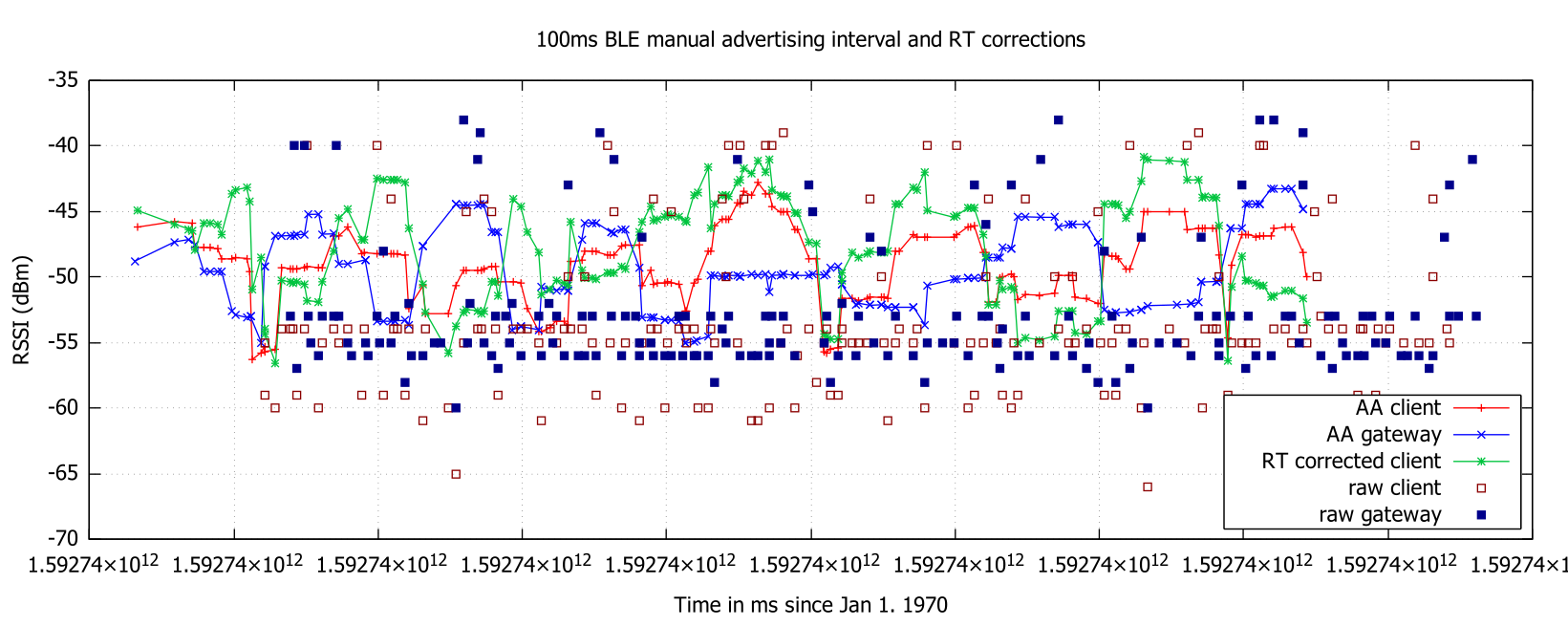
The averaged values look quite a bit like the graphs of the raw measurements from the research paper and it looks like the peaks and dips are shifted by a few milliseconds. This is why I will conduct some more tests around this interval tomorrow.
I manually set the delay between advertising on the ESP32 side. This is actually not really correct, since between the manually set intervals the advertisement interval was still 30ms. I will now use the BLE API to set the interval to 100ms and 350ms using the first party implementation to see if it is better then.